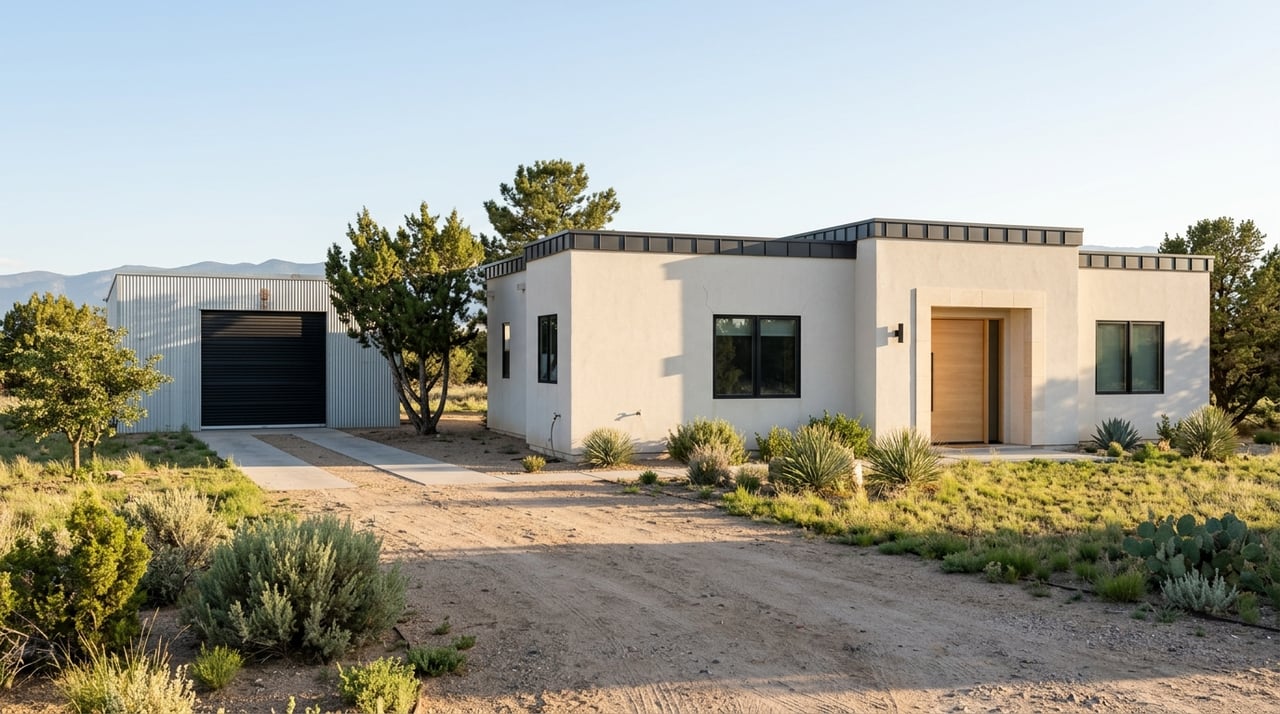
If you want elbow room without giving up daily convenience, Chino Valley deserves a closer look. Many buyers are drawn here for the big skies, open land, and chance to own a property that feels less boxed in than a typical subdivision lot. Whether you are relocating, moving up, or simply craving more space, this guide will help you understand what acreage living in Chino Valley really looks like and what to check before you buy. Let’s dive in.
Why Chino Valley Feels So Open
Chino Valley has an estimated 2024 population of 13,911 spread across 62.42 square miles, which helps explain why it often feels more spacious than larger Arizona communities. According to the U.S. Census Bureau’s Chino Valley town profile, the town covers a broad footprint relative to its population.
The setting also shapes that sense of space. Chino Valley describes itself as a high-desert community with rolling grasslands at 4,656 feet, and the Prescott National Forest’s Chino Valley Ranger District overview adds context with its focus on wildlife, watershed, range management, and dispersed recreation across a wide elevation range.
For you as a buyer, that often translates into what people want most from rural property: views, breathing room, and a layout that can support a more flexible lifestyle. At the same time, acreage living here does not automatically mean you are far from everything.
Everyday Services Are Still Nearby
One common misconception about rural property is that more land means total isolation. In Chino Valley, that is not always the case.
The town maintains practical everyday amenities, including a public library, senior center, parks, and an aquatic center. You can explore these community resources through the Town of Chino Valley community information and library page.
That balance is part of the appeal. You can enjoy a more open setting while still having access to local services that support day-to-day living.
What Acreage Living Usually Means
In the Chino Valley area, acreage living is closely tied to rural land-use patterns. The Yavapai County Comprehensive Plan describes some rural agricultural land uses as typically having minimum lot sizes of 10 acres or more, with large open-space areas and a primary residential dwelling.
That does not mean every property in Chino Valley will be 10 acres or larger. It does mean the local planning framework recognizes and supports a more open, rural style of development in many parts of the area.
The county’s zoning rules also matter. Under the Yavapai County zoning framework, the RCU district is the basic rural category, and no parcel zoned RCU may have a density of less than two acres.
For buyers, this is an important reminder: acreage is not just about lot size on a listing. It is also about zoning, permitted uses, density rules, and parcel history.
Structures and Uses Buyers Often Want
Acreage buyers often ask about barns, workshops, garages, sheds, and storage. County rules recognize many of these as detached accessory structures.
The county’s permit and ordinance materials specifically list garages, water tanks, barns, stables, and sheds over 400 square feet as detached accessory structures. The same county code update also states that home occupations may be allowed in a primary dwelling or in an attached or detached accessory structure, such as a garage, workshop, shed, or barn, if the use remains incidental and does not change neighborhood character.
That can be encouraging if you want room for hobbies, equipment, storage, or a home-based work setup. Still, it is not a blanket promise for every parcel.
Before you buy, it is wise to confirm:
- Current zoning
- Legal parcel size and density
- Existing permits and improvements
- Setbacks for structures
- Whether the intended use is allowed on that specific property
Animals and Small-Scale Rural Use
Some buyers are drawn to Chino Valley for a more hands-on property lifestyle. Depending on zoning and parcel size, county rules can support certain animal-related uses.
According to the Yavapai County planning FAQ, farm animals are allowed on parcels as small as 35,000 square feet in R1 and RCU districts, while other districts may require larger minimums. The same guidance notes that barns and stables must follow the same setbacks as the dwelling unit.
That is helpful context if you are looking for a property with room for a barn, stable, or small-scale agricultural use. As always, parcel-specific review matters because rules can vary based on district, configuration, and prior approvals.
Water Should Be an Early Conversation
In Chino Valley, water is not a detail to sort out later. It should be part of your first round of due diligence.
The town states on its Water Resources page that its mission is to meet current and future demand while working toward safe-yield in the Prescott Active Management Area. The town highlights conservation, drought planning, aquifer recharge, and augmentation as core parts of its water strategy.
The town also operates water and sewer services, and its Water & Sewer Services page explains that the utility division manages wells, treatment, and storage facilities. Some properties may connect to town services, while others may require parcel-specific utility planning.
If you are considering an acreage property, ask early whether the home is on town water, private well arrangements, town sewer, or a septic system. Those answers affect cost, timeline, and long-term maintenance.
Septic, RVs, and Storage Rules Matter
For homes not connected to sewer, septic planning is a major part of the purchase process. Yavapai County states that on-site wastewater systems require permits, and its Environmental Services unit handles septic and percolation-related requests.
RVs and trailers are another common rural-property question. Under the county code, personally owned travel trailers, motor homes, recreational vehicles, boats, and trailers may be parked or stored outside on residential property where a primary residence exists, but long-term occupancy is not allowed without a permit.
The same county code states that temporary guest use is limited to 90 days in a year. It also says camping on vacant RCU-2A property is limited to 10 days at a time, three times a year, with 30 days between stays.
If storage is a priority, the county also allows steel storage containers in certain districts with zoning clearance and requires a minimum residential parcel size of two acres for that use. This can be useful if you need covered space for tools, feed, or hobby equipment.
Gardening and Hobby Farming Potential
Many acreage buyers picture gardens, fruit trees, or a small hobby-farm setup. Chino Valley can support those goals, but the land usually works best when you plan around local conditions.
The University of Arizona Extension soils and climate guide for Yavapai County describes rolling land with steep runs in many places, plus sandy loam to clay loam soils and caliche in portions of the valley. In practical terms, that means drainage, grading, and irrigation planning matter.
Climate guidance also varies slightly across university materials. One University of Arizona climate chart lists Chino Valley in USDA hardiness zone 8A, while another fruit-tree handout groups it with Prescott and Prescott Valley in zone 7b. The most accurate takeaway is that Chino Valley is a cool high-desert gardening environment with parcel-level microclimates.
If you are serious about growing vegetables, fruit trees, grapes, or other small-acreage crops, the University of Arizona Extension’s Yavapai Commercial Horticulture and Small Acreage program is a useful local resource.
Firewise Planning Is Part of Rural Ownership
Open land brings freedom, but it also brings responsibility. In Yavapai County, wildfire planning is a practical part of owning and maintaining acreage.
The University of Arizona Cooperative Extension wildfire guidance for Yavapai County homeowners recommends defensible-space zones around structures. These include an immediate zone of 0 to 5 feet, an intermediate zone of 5 to 30 feet, and an extended zone out to the property line.
If you are comparing properties, look beyond the views and lot size. Consider access, vegetation, driveway layout, and how manageable the land will be over time.
How to Evaluate Acreage Property Wisely
A beautiful property can check the lifestyle boxes and still need extra due diligence. Before making an offer, it helps to look at acreage through both a lifestyle and property-operations lens.
Here are a few smart questions to ask:
- What is the zoning, and what uses does it allow?
- Is the parcel connected to town water or sewer?
- If not, what well or septic information is available?
- Are there permits for existing barns, workshops, sheds, or additions?
- Are there setbacks or use restrictions that affect future plans?
- How will the land need to be maintained through the year?
- Does the terrain support your goals for animals, gardening, storage, or recreation?
These questions can save you time and help you focus on properties that truly fit the way you want to live.
Why Buyers Keep Looking at Chino Valley
Chino Valley stands out because it offers something many buyers struggle to find in one place: open grassland views, rural parcel options, and a practical small-town service base. The local context points to a lifestyle built around space, flexibility, and a stronger connection to the land.
For some buyers, that means room for a workshop and RV storage. For others, it means quieter surroundings, a larger homesite, or the chance to build a more personalized daily routine.
If you are exploring space, views, and acreage living in the Quad Cities area, Chino Valley is worth a serious look. When you have the right guidance, it becomes much easier to separate a property that only looks appealing online from one that truly supports your goals.
If you want help comparing acreage properties, understanding parcel-level details, or planning your next move in Chino Valley, connect with Karen Woodsmall. You will get clear guidance, local insight, and a concierge-level approach tailored to the way you want to live.
FAQs
What does acreage living in Chino Valley usually mean for lot size?
- Acreage living in Chino Valley often refers to rural parcels with more open land than a standard subdivision lot, and Yavapai County planning documents describe some rural agricultural land uses as typically having minimum lot sizes of 10 acres or more.
What should buyers check about zoning for Chino Valley acreage property?
- Buyers should verify zoning, parcel size, density, setbacks, permit history, and whether intended uses such as barns, workshops, animals, or home-based work are allowed on that specific property.
Are water and sewer services available for all Chino Valley properties?
- No, some properties may connect to town water and sewer services, while others require parcel-specific utility planning, so it is important to confirm service details early.
What are the rules for septic systems on Chino Valley rural property?
- If a property is not on sewer, on-site wastewater systems require permits through Yavapai County Environmental Services, so septic planning should be part of your early due diligence.
Can you keep RVs or trailers on residential property in Chino Valley?
- County code allows personally owned RVs, travel trailers, boats, and similar vehicles to be parked or stored outside on residential property where a primary residence exists, but long-term occupancy is not allowed without a permit.
Is Chino Valley a good place for gardening or hobby farming?
- Chino Valley can support gardening and small-acreage growing, but soils, caliche, drainage, irrigation needs, and parcel-level microclimates all play an important role in what will work best.