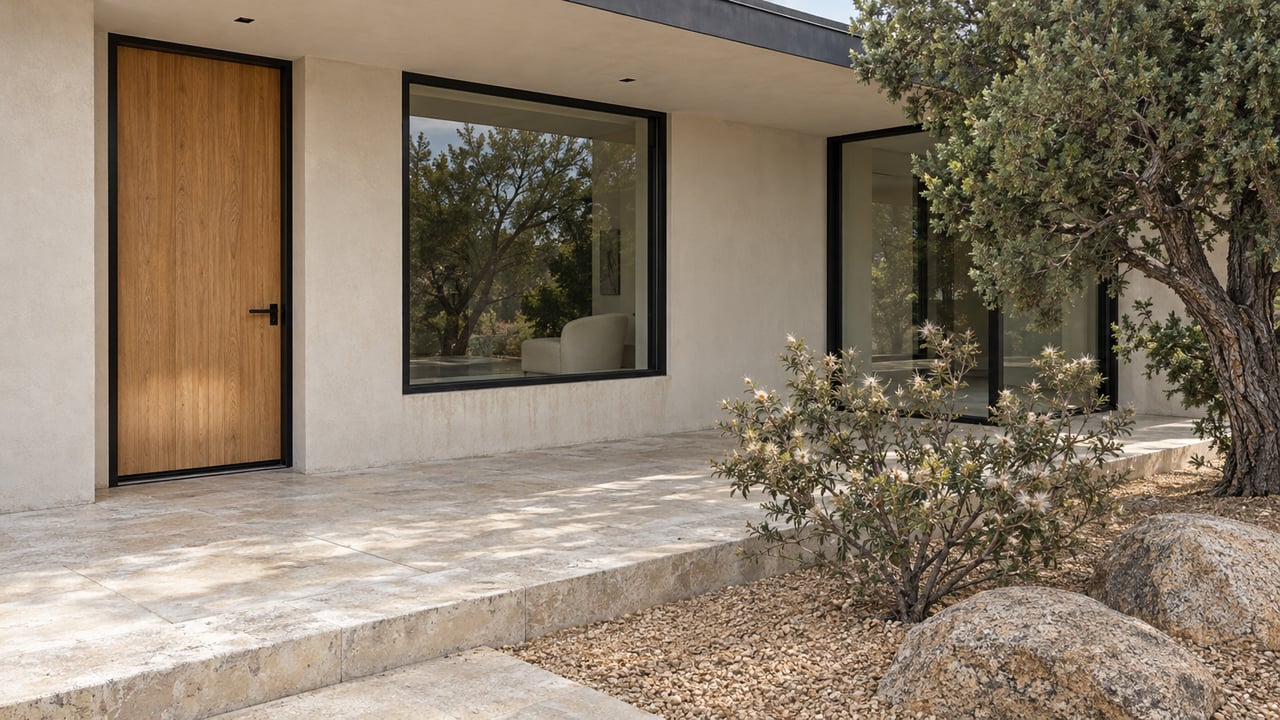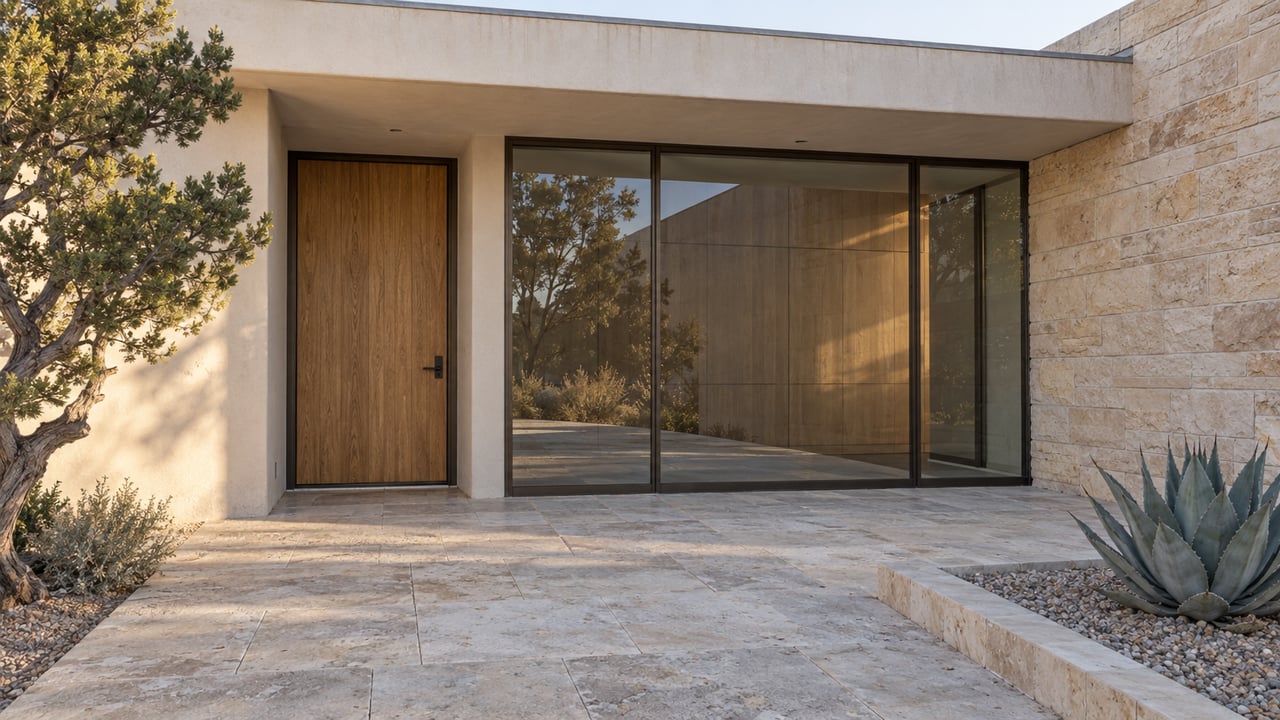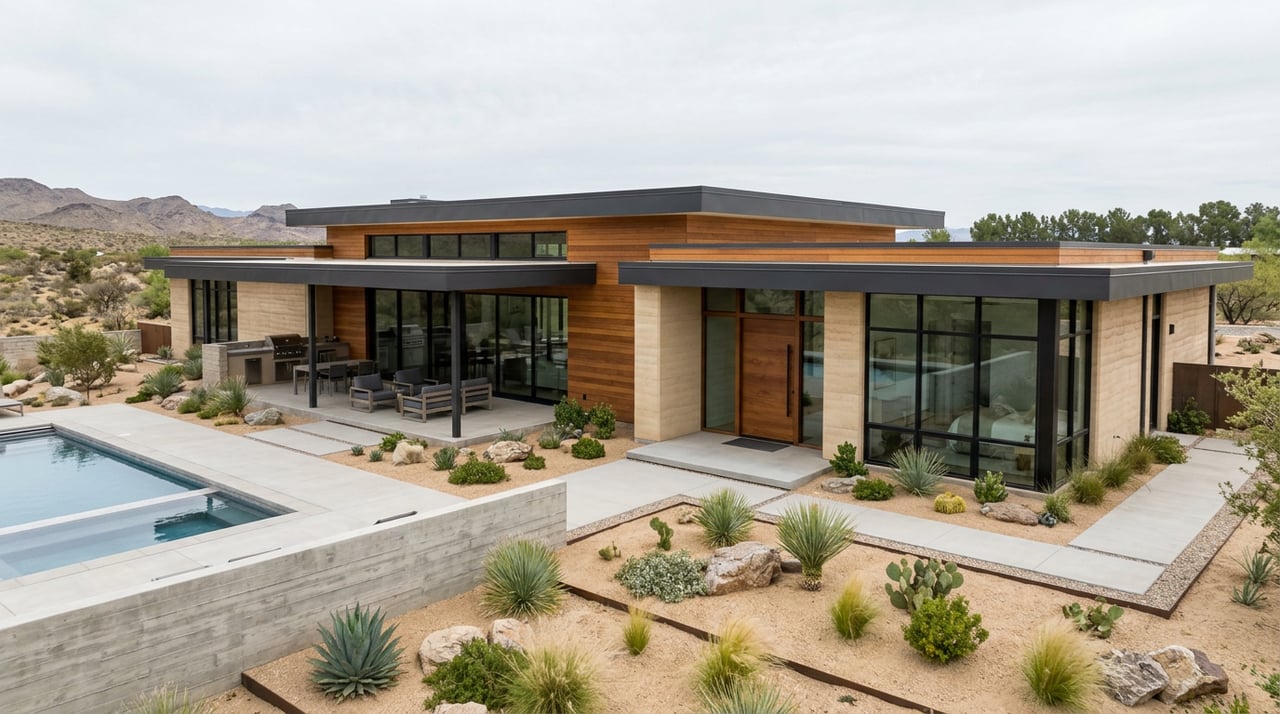
If you want space to spread out, room for projects, and a little more freedom than a typical subdivision offers, Dewey-Humboldt can be a smart place to look. Buying a home with land here can also come with extra questions about access, water, septic, drainage, and what you can actually build later. This guide will help you understand the details that matter most before you make an offer, so you can move forward with more confidence. Let’s dive in.
Why Dewey-Humboldt stands out
Dewey-Humboldt is not just another neighborhood market with cookie-cutter lots. The town’s planning documents show a strong focus on preserving a low-density, rural lifestyle, with priorities that include open space, mountain views, growth planning, circulation, and water resources.
For you as a buyer, that means many properties offer the elbow room people are looking for, but they may also require more due diligence. A home with acreage, a detached shop, animal shelter, or future guest space can be appealing, yet each of those features should be matched against local rules and site conditions.
Start with access and roads
One of the first things to verify is how you legally reach the property. In Dewey-Humboldt, that question matters more than many buyers expect because some homes are on town-maintained roads, while others rely on private roads or access arrangements that need closer review.
The town maintains about 50 miles of roads in the incorporated area, including paved and improved dirt roads. Town GIS resources identify zoning, town limits, road maps, and public versus private roads, which can help clarify what kind of access a parcel actually has.
If you plan to change a driveway, add a new access point, or connect through a private road to town right-of-way, the town requires a Right-of-Way Access Permit. The review looks at items like sight distance, drainage, and safety, so access is not just about convenience. It can affect what improvements are feasible later.
Why road status matters
A public road and a private road can create very different ownership and maintenance questions. The town’s rural road standards also note that roads are only added to the town maintenance system after council acceptance, so you do not want to assume a road is publicly maintained without confirming it.
Before closing, it is wise to confirm the legal access route, road ownership, and whether the current driveway setup matches town requirements. This is especially important if the parcel is larger, irregularly shaped, or accessed through a shared route.
Check slope, drainage, and flood conditions
Land can look usable at first glance, but topography often tells a bigger story. In Dewey-Humboldt, slope, wash crossings, culverts, and drainage paths can all affect where you can place a driveway, barn, pad, fence, or future addition.
The town requires a grading permit for larger projects when more than 50 cubic yards of material will be moved. That means site work can become a key part of your budget and planning if the property needs significant grading to support your goals.
Flood conditions also deserve close attention. Yavapai County Flood Control provides floodplain mapping, and the town code says flood-hazard areas for new construction are regulated jointly by the county flood control district and the town.
What this means during your home search
If you are considering a property with a wash, visible drainage channels, or a steep building envelope, ask questions early. A beautiful lot can still work well, but you want to understand how water moves across the site before you count on adding structures or changing the land.
For many buyers, this is where local guidance makes a real difference. A property’s layout may affect not only your enjoyment of the land, but also future permitting, design options, and resale flexibility.
Understand water and wastewater upfront
Water is one of the biggest differences between rural-style properties and homes in a more typical subdivision. Dewey-Humboldt’s general plan says the town is not a water provider, has no sewer mains, and has no wastewater treatment plant. Most residents rely on exempt wells, private water companies, or hauled water.
That means you should identify the property’s water source before you move too far forward. If the home uses a private well, ask about the well setup, any records available, and whether any work has been done to deepen or modify it.
State law requires a Notice of Intent to Drill before a new well is drilled or an existing well is deepened or modified, and the work must be performed by a licensed well driller. For domestic wells on parcels of 5 acres or fewer, the county or local health authority must review the application before the Arizona Department of Water Resources.
Septic questions to ask
Because there is no sewer system serving these properties, septic is a major part of due diligence. Yavapai County Environmental Services handles septic permits and inspections, and a site investigation or perc test may be needed before a new septic system is installed.
If the property already has a septic system, you will want to confirm the permit history and understand whether the setup appears to support the home and any existing accessory uses. If you hope to add future improvements, septic capacity and site conditions may matter just as much as lot size.
Test private well water
If a property uses a private well, water quality should not be an afterthought. The Arizona Department of Health Services recommends regular testing for arsenic, fluoride, lead, nitrates, total coliform bacteria, total dissolved solids, and uranium.
The department also recommends annual bacteria and nitrate testing, with repeat testing for some other contaminants every five years. For you, that means a private well should be evaluated as part of your broader inspection and due diligence plan, not just accepted at face value.
Know what you can build or improve
Many buyers looking at homes with land are thinking beyond the house itself. You may want a detached garage, workshop, animal shelter, patio cover, pool, guest space, or room to expand over time.
In Dewey-Humboldt, permit guidance shows that building permits are used for single-family homes, accessory dwelling units, garages, carports, decks, patio covers, additions, remodels, pools, retaining walls, and similar work. Even when a full building permit is not required, zoning clearance may still be necessary.
Small accessory structures still need review
The town says sheds, animal shelters, and other detached accessory buildings under 400 square feet are still subject to zoning clearance. Town code also exempts some one-story detached accessory buildings under 400 square feet and 12 feet high from a building permit if they meet setbacks and do not include plumbing or mechanical systems.
A garage up to 400 square feet without electricity or plumbing may not need a building permit either, but it still needs zoning clearance. So if you are buying for flexibility, do not assume a small structure can be added with no review at all.
Accessory dwelling units require careful checking
If your long-term plan includes a guest house, in-law suite, or multigenerational setup, lot size and utility layout become very important. Town code allows accessory dwelling units only on certain minimum lot sizes: 70,000 square feet in R1L and RMM, and 35,000 square feet in R1, along with added conditions such as a shared driveway or entrance and electric service through the primary structure.
That means an attractive parcel may still fall short of your goals if the zoning, dimensions, or utility arrangement do not line up. This is one of the most important issues to verify before you write an offer if future flexibility matters to you.
Fences, retaining walls, and grading work
Some of the most common land improvements also require review. Zoning clearance is required for fences and retaining walls, and the code limits permit-exempt retaining walls to 32 inches in height.
If your vision includes terracing, leveling an area for a shop, or creating a new driveway cut, the grading permit and drainage standards may be the real deciding factors. On rural-style property, the land itself often drives the project timeline more than the structure you want to build.
Think about future resale and land splits
Even if you are buying for your own lifestyle today, it helps to think ahead. Dewey-Humboldt’s subdivision code says a land split may create no more than three parcels and cannot involve a new street. The process starts with a pre-application conference, and the town reviews items like legal access, lot size, and water and septic issues before approval.
If a division would create four or more parcels, it is treated as a subdivision. For buyers, this means future resale flexibility may depend on details that are easy to overlook at first, especially access and utility planning.
Confirm fire service and district coverage
Fire protection is another issue worth verifying before closing. The town’s public safety information says fire and EMS service are provided by Central Arizona Fire and Medical Authority, and the town’s Firewise guidance emphasizes defensible space, home hardening, and evacuation planning.
A local town newsletter adds an important note: most, but not all, Dewey-Humboldt parcels are inside the fire district. Buyers should verify coverage on the tax bill and ask about annexation or a fire-protection agreement if needed.
For a home with land, that is not a minor detail. It can affect planning, peace of mind, and how you prepare the property over time.
A smart pre-offer checklist
When you are touring a home with land in Dewey-Humboldt, these are some of the most useful questions to ask before making an offer:
- What is the legal access route to the property?
- Is the road public or private?
- What is the water source?
- Is there a functioning septic permit and approved site?
- Is the parcel in a flood-prone wash or on a steep slope?
- Are there existing permits or clearances for barns, sheds, fences, retaining walls, or guest quarters?
- Is the parcel inside the fire district?
These questions come directly from the town, county, and state rules that shape how these properties are used. The goal is not to make the process feel complicated. It is to help you buy with clear eyes and a solid plan.
Why local guidance matters
Buying a home with land in Dewey-Humboldt can be incredibly rewarding. You may gain privacy, views, flexibility, and a property that fits the lifestyle you actually want. At the same time, rural-style properties ask more from buyers during the research phase.
That is where local experience can save time and help you avoid surprises. When you understand access, utilities, site conditions, permits, and long-term options before you commit, you are in a much better position to choose the right property with confidence.
If you are exploring homes with land in Dewey-Humboldt and want thoughtful guidance through the details, Karen Woodsmall can help you evaluate your options and move forward with clarity.
FAQs
What should you verify first when buying land with a home in Dewey-Humboldt?
- Start by verifying legal access, whether the road is public or private, the property’s water source, septic status, and any flood or slope concerns.
Does a Dewey-Humboldt property always have town water and sewer?
- No. The town’s general plan says Dewey-Humboldt is not a water provider, has no sewer mains, and has no wastewater treatment plant, so many properties rely on wells, private water companies, or hauled water and septic systems.
Can you add a guest house to a home with land in Dewey-Humboldt?
- Possibly, but accessory dwelling units are allowed only on certain minimum lot sizes and must meet additional town code conditions, including utility and access requirements.
Do small sheds or garages need permits in Dewey-Humboldt?
- Some small detached accessory buildings may be exempt from a building permit, but they can still require zoning clearance, so you should confirm the exact rules before building.
Why does road access matter so much for Dewey-Humboldt homes with land?
- Road access affects legal use, maintenance expectations, safety review for driveways, and sometimes future improvement or resale options, especially when a property uses a private road.
Should you test private well water when buying a Dewey-Humboldt home?
- Yes. Arizona Department of Health Services recommends regular testing for several contaminants, including bacteria and nitrates, so water testing is an important part of due diligence for homes on private wells.