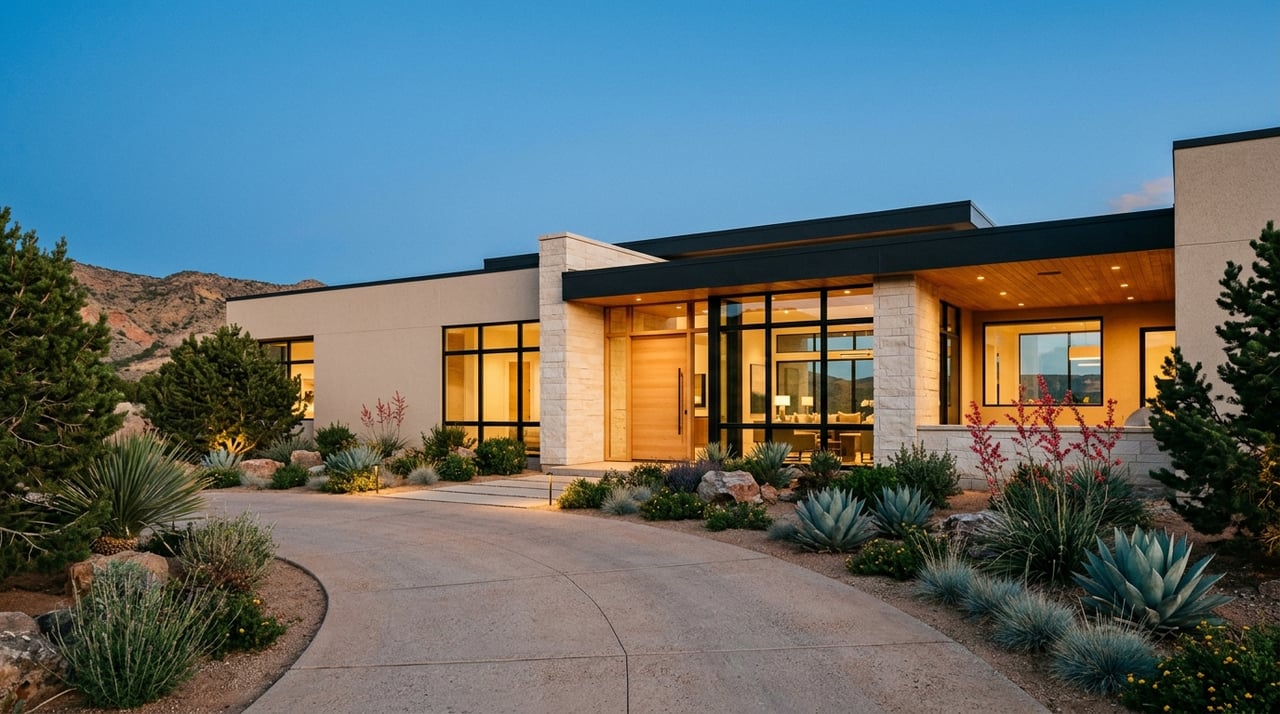
Buying a second home should feel exciting, not confusing. If you are choosing between Sedona and Cottonwood, you are likely balancing lifestyle, convenience, and the possibility of occasional rental income. The right fit depends on how you plan to use the home, how often you will be there, and how much day-to-day management you want. Let’s break down the differences so you can make a smart, confident choice.
Start With Your Second-Home Goals
Before you compare neighborhoods or home styles, get clear on what you want your second home to do for you. Some buyers want a peaceful getaway they can lock and leave. Others want a home base for longer stays, entertaining, or future retirement.
That matters because Sedona and Cottonwood support different lifestyles. Sedona often feels more scenic and visitor-oriented, while Cottonwood tends to feel more practical for daily living and errands. Neither is automatically better. The better choice is the one that matches how you will actually use the property.
When Sedona May Be the Better Fit
Sedona may appeal to you if your top priorities are dramatic scenery, trail access, and a destination-style setting. The city describes tourism as a managed part of the local economy, and that shapes the overall experience. For many second-home buyers, that means a strong sense of place with plenty of activity nearby.
Sedona also has more distinct neighborhood character from one area to another. That can be a plus if you want to match your home to a very specific lifestyle, whether that means being closer to trails, creek areas, or more active commercial corridors.
When Cottonwood May Be the Better Fit
Cottonwood may be a better fit if you want a second home that feels simpler and easier to use for everyday living. The city describes itself as the Verde Valley’s commercial hub and the Heart of Arizona Wine Country. In practical terms, that often translates to easier errands, a more local feel, and less of a visitor-heavy atmosphere.
For many buyers, Cottonwood works well as a comfortable home base. It can be especially appealing if you expect to spend extended time there and want a place that feels more residential and routine-friendly.
Compare Access and Everyday Convenience
One of the biggest real-world differences between these two markets is how you move around. That may not sound exciting at first, but it has a major impact on how easy your second home is to enjoy.
Sedona’s transportation network centers on SR 179 and SR 89A. The city’s Sedona in Motion program is focused on reducing congestion and improving transit, walking, and biking options. Sedona also offers free trailhead shuttles, an on-demand shuttle service, and the Verde Shuttle connecting central Cottonwood with parts of Sedona.
That is helpful, but it also tells you something important. Sedona plans actively around traffic and visitor movement, which means access can take more thought. If you want a low-maintenance second home experience, that should be part of your decision.
Cottonwood often feels easier for everyday coming and going. Its trail system connects Old Town to Riverfront Park and the Verde River, which can make casual recreation more straightforward. If you picture yourself running out for coffee, meeting friends, or enjoying simple daily routines, Cottonwood may feel more natural.
Think About Climate and Seasonal Planning
A second home is not just about how it looks in photos. It is also about how it performs when you are away.
Sedona sits at a higher elevation, around 4,350 feet at City Hall, while Cottonwood generally ranges from about 3,300 to 3,900 feet. Sedona’s higher elevation, along with city and county climate tables, points to cooler conditions and more annual rainfall and snowfall than Cottonwood. That can be a plus if you prefer cooler weather, but it also means more winter-weather planning.
Cottonwood’s lower elevation can support a different day-to-day experience. At the same time, the city’s drought and water-shortage planning highlights the need for conservation and the possibility of limits on irrigation or other outdoor water use during shortages. If landscaping matters to you, that should be part of your property review.
Why Absentee Owners Should Plan Ahead
If your home will sit empty for part of the year, maintenance planning matters in both places. Sedona’s Climate Action Plan notes impacts tied to air temperatures, water availability, and wildfire risk. That means absentee owners should think carefully about irrigation, defensible space, and regular property checks.
This is one of the most overlooked parts of buying a second home. A beautiful property is only a good fit if you can realistically maintain it when you are not there. In many cases, the easiest home to own is the one that asks the least from you between visits.
Look Closely at Neighborhood Character
Not every part of Sedona or Cottonwood offers the same second-home experience. Neighborhood feel, parking, walkability, and surrounding uses can all affect whether a property works for your goals.
In Sedona, neighborhood character is highly segmented. The city’s 2024 Community Plan identifies focus areas including Uptown, West Sedona Commercial Corridor, Schnebly/Oak Creek District, Soldiers Pass Road, Sunset Live/Work, and Western Gateway. Each area has a different planning vision and development pattern.
Sedona Areas to Watch
The Oak Creek District is described as a pedestrian-friendly area centered on Oak Creek and Sedona’s heritage, with modestly scaled buildings and preserved riparian character. Soldiers Pass is envisioned as a dynamic, walkable center. The Sunset area blends industrial uses with nearby homes and trail access.
Uptown has ongoing parking management work and metered parking. That may not be a dealbreaker, but it matters if you expect frequent guests or want a lock-and-leave property with as little friction as possible. In a second home, convenience often matters just as much as charm.
Cottonwood Areas to Watch
Cottonwood generally feels more traditional and local. The city identifies Old Town as the historic main street core, and planning documents describe Old Town Activity Park as being at the heart of an old-fashioned shopping district with shops, galleries, cafes, and frequent events.
For many buyers, Old Town and river-adjacent areas can feel more walkable and community-oriented. Other parts of Cottonwood may offer more space, easier parking, and a simpler layout. The city also notes that Verde Village has limited infrastructure, which is worth understanding before you buy.
If Rental Income Matters, Check Rules Early
Many second-home buyers like the idea of occasional rental income. That can work, but it should never be assumed. In both Sedona and Cottonwood, the details matter.
Sedona is the more rule-heavy market. The city requires a Transaction Privilege Tax license before a short-term rental permit, and each advertised unit needs its own permit. Sedona also bars short-term rentals from hosting special events that require a separate permit or license.
Cottonwood also requires short-term rental registration. Its registration process includes an annual renewal, a TPT number, neighbor notification, and a 24-hour emergency contact. Cottonwood’s zoning code also limits ADU use as a short-term or vacation rental unless the lot owner lives on the same lot.
Why the Property Type Matters
If you are considering a home with a casita or accessory dwelling unit, verify the exact allowed use before you buy. This is especially important if your financial plan depends on renting part of the property.
The safest approach is to buy a second home that works for you first. If occasional rental use is possible and fits local rules, treat that as a bonus rather than the main reason for the purchase.
Understand Second-Home Financing and Tax Basics
Your financing and tax treatment can change depending on how you use the property. That is one reason it helps to define your plan early.
According to the IRS, mortgage interest can be deductible on a main home or second home, but renting the property for part of the year can change how it is treated. Personal-use thresholds matter when determining whether a property still qualifies as a second home for tax purposes.
Fannie Mae also has specific second-home standards. The property must be occupied by you for some portion of the year, be a one-unit home suitable for year-round occupancy, remain under your exclusive control, and not be controlled by a management firm.
These rules are a good reminder to plan carefully. Before you commit, talk with your CPA and mortgage professional about how you intend to use the property and whether that plan supports your financing and tax goals.
A Simple Way to Choose Between Sedona and Cottonwood
If you are still deciding, start with a few practical questions:
- Do you want a destination feel or a more everyday residential feel?
- Will you use the home for short stays or longer seasonal living?
- How important are easy errands, parking, and simple access?
- Are you comfortable with more regulation if rental use is part of the plan?
- How much maintenance and seasonal oversight can you realistically handle?
If your answer leans toward scenery, distinct neighborhood character, and a destination-style experience, Sedona may be the stronger fit. If you want easier routines, a more local atmosphere, and practical day-to-day convenience, Cottonwood may make more sense.
The key is to buy for the lifestyle you will really live, not the one that only sounds good on paper. That is where thoughtful guidance can make all the difference.
When you are ready to compare neighborhoods, property types, and second-home strategies in more detail, Karen Woodsmall can help you evaluate the right fit with clear, personalized guidance.
FAQs
What is the main difference between buying a second home in Sedona vs. Cottonwood?
- Sedona often offers a more scenic, visitor-oriented experience with more segmented neighborhood character, while Cottonwood usually feels more practical for everyday living, errands, and longer stays.
Is Sedona or Cottonwood easier to manage as a lock-and-leave second home?
- It depends on the property, but many buyers find Cottonwood simpler for daily access and routines, while Sedona may require more planning around traffic, parking, weather, and property oversight.
Can you use a second home in Sedona as a short-term rental?
- Yes, but Sedona requires a Transaction Privilege Tax license before a short-term rental permit, and each advertised unit must have its own permit.
Can you rent out an ADU or casita in Cottonwood?
- Cottonwood limits ADU use as a short-term or vacation rental unless the lot owner lives on the same lot, so you should verify the exact use before buying.
What climate issues matter for second homes in Sedona and Cottonwood?
- Sedona’s higher elevation can mean cooler conditions and more winter-weather planning, while both areas require attention to water use, and Sedona also calls for planning around wildfire risk, irrigation, and defensible space.
What financing rules apply to a second home in Sedona or Cottonwood?
- Fannie Mae standards say a second home must be occupied by the borrower for some part of the year, be a one-unit property suitable for year-round use, remain under the borrower’s control, and not be controlled by a management firm.