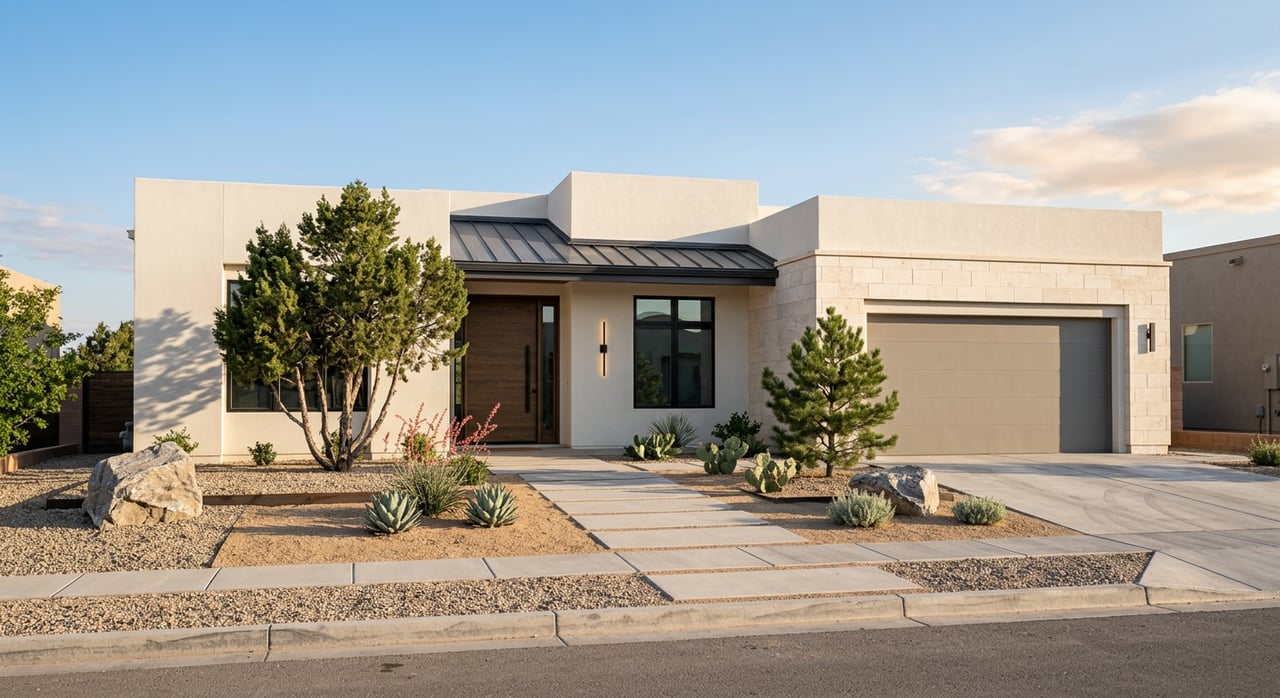
Trying to decide between Prescott and Prescott Valley? You are not alone. Both offer mountain views, four mild seasons, and easy access to trails, but day-to-day life and housing feel different. In this guide, you will get a clear, side-by-side look at price, home styles, commutes, outdoor access, schools, and practical tradeoffs so you can choose with confidence. Let’s dive in.
Two towns, one lifestyle market
Both communities share the same high-desert lifestyle, yet deliver it in different ways. Prescott offers a historic downtown vibe around Courthouse Plaza and Whiskey Row, with older neighborhoods and shorter hops to restaurants and arts. Prescott Valley trends newer and more suburban, with master-planned neighborhoods, more single-level floor plans, and larger areas set up for new development. These are the main tradeoffs many buyers weigh: character and downtown proximity in Prescott vs. newer construction and more price efficiency in Prescott Valley, a pattern also reflected in regional market reporting by HUD PD&R.
Budget and price snapshot
- As of February 2026, Redfin reports median sale prices of about $600,000 in Prescott and $470,000 in Prescott Valley. That is a gap of several tens of thousands of dollars for a typical purchase at the time of that snapshot (Prescott on Redfin, Prescott Valley on Redfin).
- Different data sources use different windows and methods. County releases have shown similar gaps but with slightly different numbers during 2025–2026. Always look at the provider name and date when you compare.
What this means for you: if you want newer construction or more square footage per dollar, Prescott Valley often stretches your budget further. If you value a walkable historic core and being minutes from downtown events, you will likely pay more in Prescott for similar finished space.
Home types and neighborhood feel
- Prescott: You will find a mix of historic districts and classic styles near downtown, with bungalows, craftsman, midcentury homes, and some newer infill. Lots close to the core tend to be smaller and shaped by local preservation and zoning overlays. To understand how minimum lot sizes and historic overlays work, review the city’s land development code and preservation guidance (Prescott LDC).
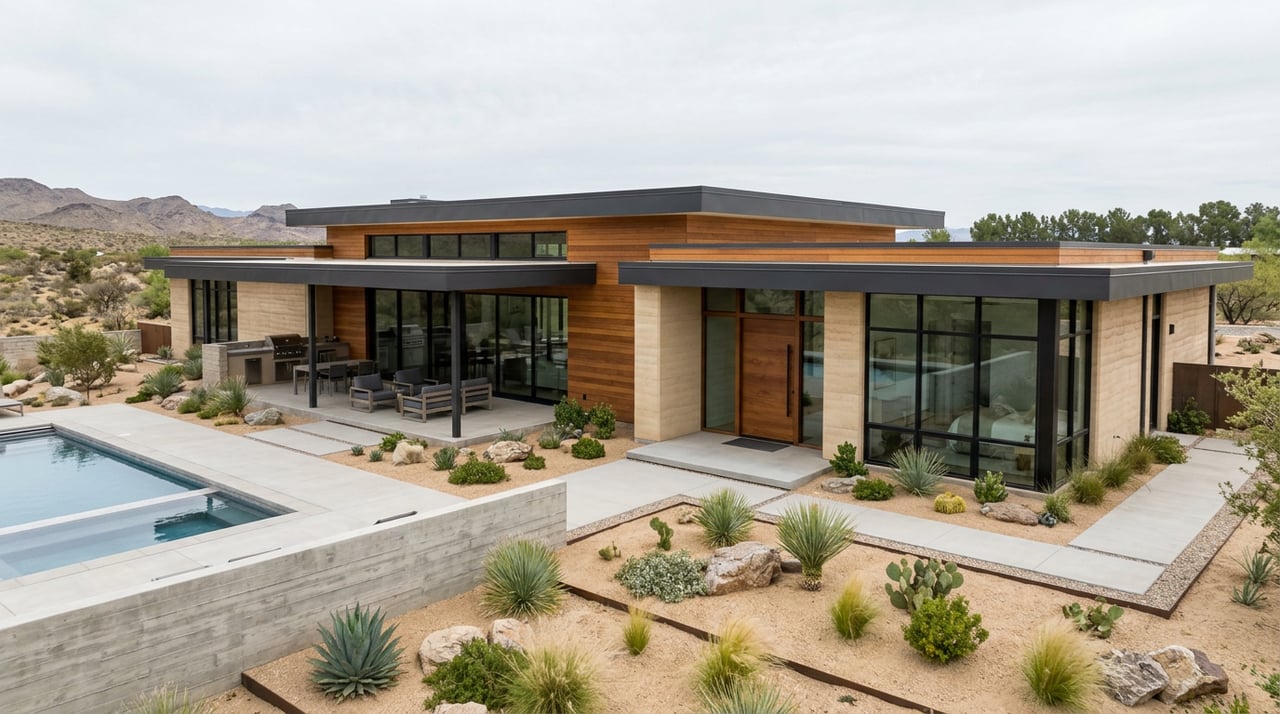
- Prescott Valley: The housing stock leans newer with more single-story plans and contemporary subdivision homes. The town also has a notable share of manufactured and mobile homes within its overall owner-occupied base. For many buyers, this translates into more options for newer builds, larger garages, and usable yards at a lower price per square foot than central Prescott. For a planning-level look at inventory and trends, see the town’s Prescott Valley Housing Needs Assessment (May 2025).
Lot sizes and acreage options
If you want a walkable, in-town lifestyle, expect city-lot living. In Prescott’s denser residential zones, minimum lots are commonly in the thousands of square feet, and several districts list minimums around 7,500 to 12,000 square feet. If you are aiming for half an acre or more, you will usually look on the outskirts, in county areas, or in parts of Prescott Valley that offer larger parcels. Zoning and minimums can vary by parcel, so always verify a specific address with city or county planning resources (Prescott LDC).
Daily life and getting around
- Prescott to Prescott Valley: The two downtowns are about 12 miles apart. Most drives run roughly 15 to 30 minutes depending on time of day and start and end points. This makes cross-town errands and meetups easy for many households (distance reference).
- To Phoenix: Many residents do not commute daily to Phoenix, but for occasional trips you can plan on about 2 to 2.5 hours by car in normal conditions.
- Transit: Prescott Valley’s YavaLine Regional Transit System offers on-demand microtransit that connects to local services. It is a helpful option for short trips, but most residents still prefer a car for daily commuting (YavaLine overview).
- Air travel: Prescott Regional Airport offers limited commercial routes and general aviation. For full airline networks, most people drive to Phoenix Sky Harbor.
Outdoors, parks, and trail access
Both towns put you close to the outdoors, just with different flavors.
- Prescott: If you love lake views and otherworldly rock formations, Watson Lake and the Granite Dells are hard to beat. The city’s network brings you right to lakeside trails and the Peavine National Recreation Trail. Get a feel for the scene from the city’s page for Watson Lake.
- Prescott Valley: You will find community parks such as Fain Park and quick connections to regional paths like the Iron King Trail. Many newer neighborhoods offer straightforward drives to trailheads and forest access without navigating older, winding streets. Both towns sit within a short drive of Prescott National Forest, so hiking, biking, and camping are always close by.
Schools and healthcare
- School districts: Many Prescott addresses feed into Prescott Unified School District. Many Prescott Valley addresses feed into Humboldt Unified School District. Attendance areas do not always match city limits, so verify a specific property’s address with the district before you decide.
- Healthcare: Yavapai Regional Medical Center serves the region through two campuses, YRMC West in Prescott and YRMC East in Prescott Valley. Having hospitals in both towns keeps emergency and specialist care within a short drive for most buyers (YRMC campuses).
Wildfire, water, and utilities
- Wildfire awareness: Both towns lie in the wildland-urban interface. It is smart to assess defensible space, brush management, and insurance requirements as part of your due diligence. The Prescott Fire Department offers wildfire risk guidance and can connect you with local programs for mitigation work (wildfire risk resources).
- Water and utilities: Parcels within town limits usually have municipal water and sewer. Outside the core, you may see wells and septic. Planning materials note that long-term water resources and development costs shape how and where Prescott Valley grows, which can influence availability, especially for larger-lot buyers. For context on those planning factors, see the town’s Housing Needs Assessment.
Which one is right for you?
Use this quick checklist to match your priorities with the right fit.
- Price point: Are you trying to maximize square footage or find newer construction at a lower median price? Prescott Valley often stretches the budget further (Redfin, Feb 2026).
- Home style: Do you prefer historic character and mature streetscapes, or newer, single-level plans and contemporary finishes?
- Downtown access: Do you want to walk to restaurants, events, and the Courthouse Plaza, or are you fine driving 10 to 20 minutes?
- Lot size: Do you want in-town lots or more space for garages, workshops, or toys? Larger parcels are more common on the edges and in Prescott Valley.
- Trails and recreation: Do you prioritize immediate access to Watson Lake and the Granite Dells, or easy trailhead access from newer neighborhoods?
- Schools: Will your decision hinge on a specific attendance area? Verify the address with the appropriate district before you write an offer.
- Commute and travel: Will you drive between the two towns daily, or need to reach Phoenix often?
- Healthcare: Do you want to be minutes from a specific YRMC campus or specialist office?
How we help you compare, tour, and decide
Choosing between Prescott and Prescott Valley works best with hyper-local insight. Our team pairs on-the-ground neighborhood knowledge with clear market data so you can see what your dollars buy on each side of the line. We will preview candidate homes, map actual drive times for your routines, confirm school and utility details, and flag wildfire and water considerations early so there are no surprises later. You get concierge-level support, smart negotiation, and a well-managed path from first tour to keys in hand.
Ready to zero in on your best fit and move forward with confidence? Connect with Karen Woodsmall to Request a Personalized Market Plan tailored to your timeline, budget, and must-haves.
FAQs
How much cheaper is Prescott Valley than Prescott for buyers?
- Recent Redfin snapshots show a wide median gap at the time of reporting, with Prescott around $600,000 and Prescott Valley around $470,000 as of February 2026; always check the source and date since methods and time windows differ.
Can you bike from Prescott Valley to downtown Prescott for daily errands?
- The downtowns are roughly 12 miles apart with a typical 15 to 30 minute drive, so daily bike commuting between them is uncommon; for recreation, look at the Peavine and Iron King trail connections.
Where is most new single-family construction happening right now?
- The region’s reporting and planning materials point to Prescott Valley as the main hub for newer subdivisions and single-story plans, a pattern reflected in HUD’s market profile and the town’s Housing Needs Assessment.
Do both Prescott and Prescott Valley have hospital access?
- Yes, Yavapai Regional Medical Center operates YRMC West in Prescott and YRMC East in Prescott Valley, putting emergency and specialty care within a short drive for most residents (campus details).
Is wildfire a major insurance consideration in the area?
- Yes, both towns sit in the wildland-urban interface; ask about recent defensible-space work, review local guidance, and consult your insurer early to understand requirements and premiums (Prescott Fire resources).