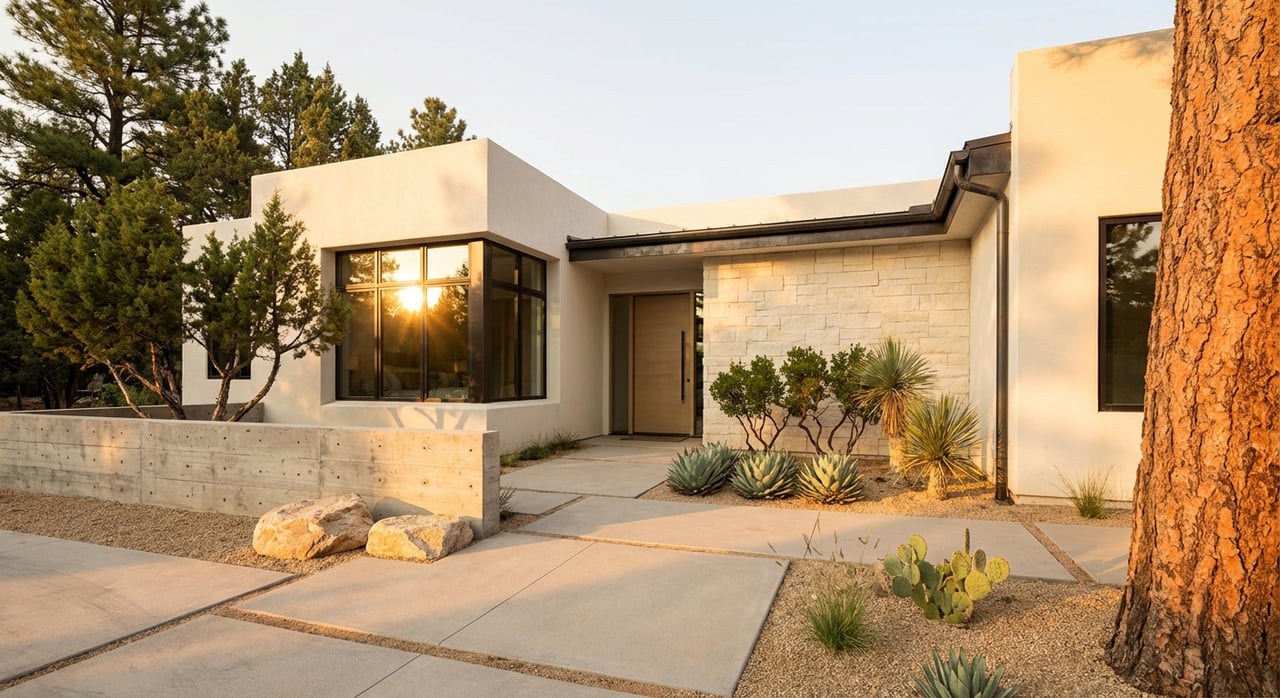
What makes one Prescott luxury home sell far above a similar-sized property down the road? If you are planning to buy or sell at the top of the market, you want more than rules of thumb. You want a clear map of what actually moves value here. In this guide, you will learn the local factors that drive luxury pricing in Prescott and how to evaluate them with confidence. Let’s dive in.
What “luxury” means in Prescott
Prescott’s single-family median sits well above national levels. A recent Yavapai County release placed the 2025 median near $630,000, which frames the local context for higher-end sales. You will often see “luxury” defined by price percentiles rather than a fixed number. In practice, entry luxury starts around the top 10 percent of local listings, with higher tiers at the 95th and 99th percentiles.
When you compare homes, use the 90th percentile as your baseline for the luxury floor. That keeps your analysis aligned with local market realities and avoids broad national cutoffs that do not fit Prescott.
Neighborhood and micro-location
Neighborhood often sets the first and largest price band. Gated and master-planned communities with private amenities tend to command premiums because they offer predictable lifestyle value and a focused buyer pool. In Prescott, examples include Prescott Lakes, Talking Rock Ranch, and select gated equestrian areas like High Valley Ranch and Heritage.
If you are pricing or making an offer inside a private community, compare to recent closed sales within the same HOA or club. Those comps reflect amenity access, membership structures, and the micro-location benefits that outsiders may not value the same way.
Lot features that move price
Acreage and usability matter. Larger, relatively flat lots with space for guest houses, pools, shops, or equestrian facilities typically earn per-acre and per-square-foot premiums. Steep or rock-strewn parcels increase build costs and can limit future improvements.
Utilities are a key swing factor. Lots served by municipal water and sewer, or those inside a Designation of Assured Water Supply (DAWS) service area, are generally more marketable than remote parcels that need a new well or septic. Buyers weigh the certainty and cost of utilities alongside the view and location.
- Learn how Prescott handles water for new development and DAWS service: City of Prescott water and AWS overview
Views, privacy, and setting
Iconic Prescott views create real demand. Sight lines to the Granite Dells, Watson or Willow Lakes, Thumb Butte, or broad valley panoramas are regularly featured in high-end listings. Orientation and privacy amplify the effect, especially when outdoor living areas capture sunrise or sunset light.
Remember that view quality is subjective, but it shows up consistently in buyer behavior. Protected views that back to preserved land can justify meaningful premiums because they feel enduring rather than temporary.
- Explore the character of Prescott’s lakes and landscapes for context: Watson and Willow Lakes overview
Design, construction, and systems
Luxury buyers look beyond finishes. Custom architecture, engineered foundations, newer roofs, upgraded electrical service, insulation, and high-efficiency HVAC reduce perceived risk and support stronger appraisals. Cosmetic upgrades help, but structure and systems tend to move price more.
If you are selling, gather documentation on the build, permits, and major systems. If you are buying, ask for roof age, mechanical specs, and any structural reports. Clear records strengthen negotiating confidence on both sides.
Amenities and lifestyle value
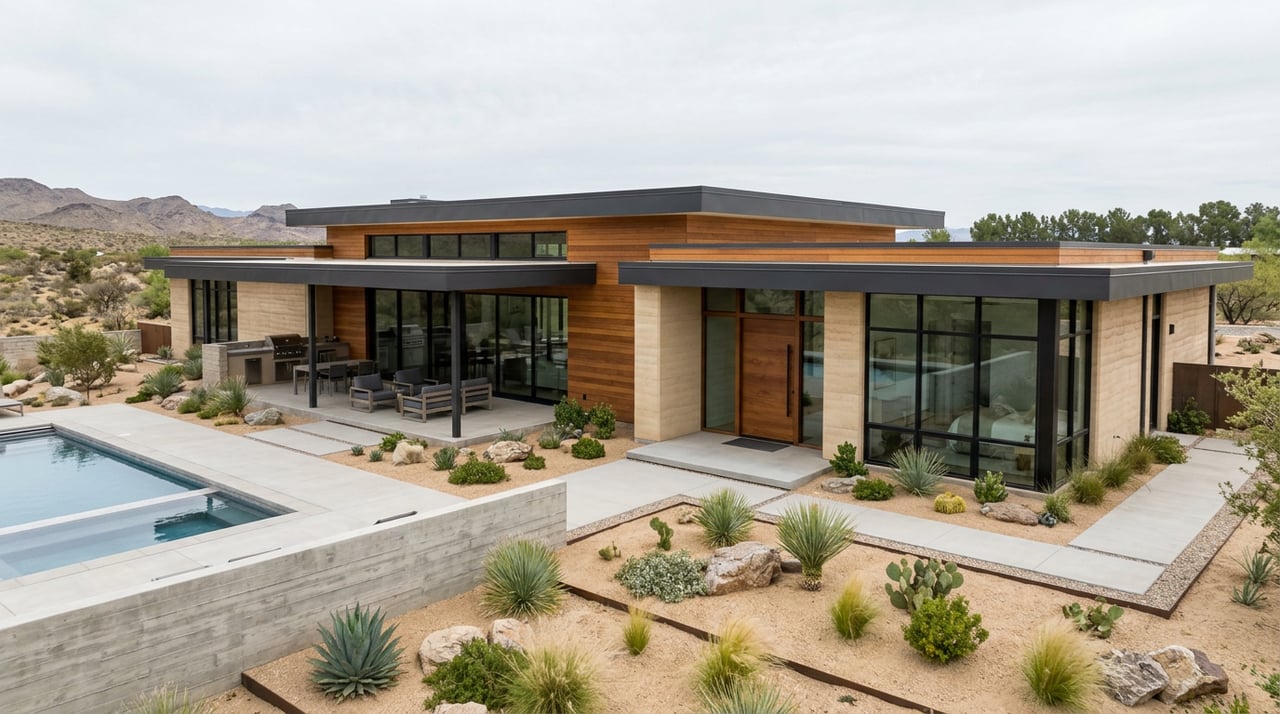
On-site amenities add tangible lifestyle return. Pools, outdoor kitchens and fireplaces, RV or toy garages, guest houses or ADUs, and equestrian facilities all raise appeal. Inside golf communities, clubhouse access and membership options can further lift pricing when the benefits are clear.
- See an example of private-club amenities that support premiums: The Club at Prescott Lakes
Market readiness and presentation
At the luxury tier, presentation is part of the product. Professional photography, aerial footage, 3D tours, and thoughtful staging reduce time on market and often protect price. High-level showing protocols and branded marketing signal that a property has been carefully maintained, which builds trust with discerning buyers.
If you are selling, invest in full-scope media and staging. If you are buying, pay attention to presentation quality as a proxy for care and documentation.
Due diligence: utilities, permits, and use
Title items and permit history can add clarity or create friction. Easements, flood or failure lines, and HOA CC&Rs should be reviewed early. In rural areas, septic design and well yield are critical, and many buyers expect them addressed or tested before closing.
For properties that may rely on municipal service or need subdivision approvals, confirm Assured Water Supply status and serviceability. Lenders and appraisers will also look for these answers.
- City background on water for new development and AWS/DAWS: Prescott water resources
- For formal AWS filings and designations, consult state listings: ADWR AAWS and LTF reports
Risk and carrying costs that affect willingness to pay
Water rules in the Prescott AMA
Prescott is inside the Prescott Active Management Area, where Assured Water Supply rules shape growth. Properties with reliable municipal hookups or DAWS-backed service are often easier to finance and sell than remote parcels without proven supplies. This certainty shows up in buyer demand and final price.
- City overview of water and AWS context: Prescott water and development
Wildfire, mitigation, and insurance
Wildfire is an active regional risk. Neighborhoods that maintain defensible space or participate in recognized mitigation programs are more attractive to buyers and insurers. Lack of mitigation can mean underwriting hurdles, higher deductibles, or reduced coverage.
- Local guidance on defensible space and mitigation: Prescott Fire Department wildfire risk management
- National carriers are tightening standards in risk zones, which can affect availability and premiums: Overview of shifting homeowners insurance policies
Taxes, HOAs, and special assessments
Yavapai County property taxes reflect multiple taxing jurisdictions and can shift modestly year to year. For higher-end properties, HOA dues, flood control levies, library and fire district assessments, and any club initiation or membership fees affect carrying costs. Smart pricing and offer strategies account for these recurring numbers.
- County context on combined tax rate trends: Yavapai County tax rate overview
How two similar homes price differently
Two 4,000-square-foot homes can land far apart in price because of:
- Location premium. A similar build inside a private, amenity-rich community can price above a non-HOA property without those benefits.
- Lot and buildability. Usable acreage that supports a guest house, pool, or larger garage earns more than steep, rocky terrain.
- View and privacy. Protected sight lines to the Dells, lakes, or Thumb Butte usually increase willingness to pay.
- Construction quality and systems. Newer roofs, engineered foundations, and high-efficiency mechanicals reduce risk for buyers and lenders.
- Membership and access. Transferable private-club membership or deeded trail or water access can be a meaningful add.
A simple evaluation framework
Use this checklist to compare luxury listings apples to apples:
- Market tier. Is the property at the 90th percentile or higher of local pricing? State the tier in your notes.
- Neighborhood. HOA, gated status, master-planned amenities, and proximity to downtown or trail and lake access.
- Lot. Acreage, slope, buildable pad, privacy buffer, recorded easements, and wildfire fuel profile. Bring a boundary survey if available.
- Views and orientation. Quality and direction of views, solar exposure, and whether sight lines are protected by public or conserved land.
- Utilities and permits. Municipal water and sewer versus well and septic. Note AWS/DAWS implications and any septic or well permits and yield tests. See the City’s AWS overview.
- Construction and systems. Roof age, HVAC type and age, insulation levels, electrical service, foundation notes, and documented upgrades or permits.
- Special features. Guest house or ADU, pool, shop, equestrian facilities, wine storage, smart-home systems, and concierge or maintenance services.
- Disclosures and risk. Prior insurance claims, flood or wildfire history, and any Firewise or community mitigation participation. Review wildfire risk guidance.
- Marketing and comps. Compare to nearby closed sales from the last 6 to 12 months, then adjust for lot, view, and condition for a supported price.
Your next step
If you want a clear, data-backed plan to maximize value or to buy with precision, we can help. Our team pairs neighborhood-level expertise with premium media, 3D tours, and concierge guidance that meets luxury expectations. Let’s map your home’s value drivers and build a strategy that fits your goals.
Ready to begin? Connect with Karen Woodsmall to Request a Personalized Market Plan.
FAQs
What qualifies as a luxury home in Prescott?
- In Prescott, “luxury” is best defined by local price percentiles, with entry luxury around the 90th percentile of current listings rather than a fixed dollar amount.
How does water/AWS status affect value in Prescott?
- Properties with municipal hookups or documented DAWS service are often easier to finance and sell than remote parcels relying on new wells or septic, which supports stronger pricing.
Do wildfire risks impact luxury home insurance in Prescott?
- Yes; homes with defensible space and mitigation often see better insurance options, while high-fuel settings or limited mitigation can mean higher deductibles or coverage hurdles.
Which Prescott neighborhoods often command premiums?
- Master-planned and gated communities with private amenities, such as Prescott Lakes and Talking Rock Ranch, typically sit at the higher end of local pricing.
How much do views add to price in Prescott?
- While exact premiums vary, protected views of features like the Granite Dells, lakes, or Thumb Butte, paired with privacy, consistently increase buyer willingness to pay.
What should I prepare before listing a luxury home?
- Gather build and permit records, system ages, recent service invoices, HOA or club details, utility information, and invest in professional staging, photography, and 3D tours.